Darknet Markets 2026:
The dark web is part of the deep web but is built on darknets: overlay networks that sit on the internet but which can't be accessed without special tools or software like Tor. Tor is an anonymizing software tool that stands for The Onion Router — you can use the Tor network via Tor Browser.
| Darknet Market | Established | Total Listings | Link |
|---|---|---|---|
| TorZon Market | 2022 | 140+ | Onion Link |
| Nexus Market | 2024 | 600+ | Onion Link |
| Abacus Market | 2022 | 100+ | Onion Link |
| Ares | 2026 | 100+ | Onion Link |
| Cocorico | 2023 | 110+ | Onion Link |
Updated 2026-09-13
How Darknet Markets Enable Private Shopping
The operational foundation of modern darknet markets is the Tor network. This system routes a user's internet connection through several encrypted layers, or relays, effectively obscuring the original IP address and physical location. This creates a fundamental separation between a user's real-world identity and their market activities. Accessing a marketplace requires a Tor browser, which is designed to navigate these hidden .onion services.
Anonymity is further reinforced by the universal use of cryptocurrencies, primarily Bitcoin and Monero. These digital currencies facilitate transactions without involving traditional financial institutions that require personal identification. While Bitcoin transactions are recorded on a public ledger, techniques like tumbling or the inherent privacy features of Monero break the traceable link between the market payment and the individual's external wallet.
Communication on the platform is secured through PGP encryption. Every message, especially those containing sensitive shipping details, is encrypted with the recipient's public key and can only be decrypted with their private key. This ensures that even if platform data is intercepted, the content of communications remains confidential. The combination of these technologies establishes a robust framework for discreet commerce.
User security practices are integral to the model. Vendors and buyers maintain separate, dedicated cryptocurrency wallets for market use. Personal identifying information is never shared in plain text. This collective adherence to operational security, or opsec, transforms the darknet market from a simple website into a secure trading environment. The system is designed so that trust is placed in cryptographic proofs and decentralized protocols rather than in personal disclosure.
How Escrow Makes Buying on the Darknet Safe and Easy
The escrow system is a fundamental component that enables secure commerce on darknet markets. It functions as a neutral third-party service, holding a buyer's cryptocurrency payment in a secure account until the transaction is satisfactorily completed. This mechanism directly addresses the inherent lack of trust in anonymous environments by ensuring that vendors only receive funds after the buyer confirms receipt of the product.
When a purchase is made, funds are locked in escrow by the market's automated system. The vendor then ships the product. Upon delivery, the buyer has a predetermined period to finalize the order, which releases the escrowed funds to the vendor. This process protects buyers from fraudulent vendors who might not ship items after payment. Simultaneously, it protects honest vendors from false claims of non-delivery by buyers, as the funds are already secured and will be released unless a formal dispute is raised.
The dispute resolution process is an integral extension of the escrow service. If a buyer reports an issuesuch as not receiving the package or receiving a product that does not match the listingthe market's moderation team intervenes. Both parties are invited to provide evidence, which can include:
- Encrypted message logs from the transaction.
- Photographic proof of the product and its packaging.
- Tracking information, where applicable.
Escrow also incentivizes high-quality service and product standards. Vendors with consistent positive feedback build strong reputations, which encourages buyers to use the finalize early option. This feature allows a trusted buyer to release funds from escrow to the vendor immediately after ordering, before the product is even shipped, in exchange for a small discount. It demonstrates how the escrow framework can evolve to facilitate faster transactions between established parties while still providing a secure default for new relationships. The entire model creates a self-reinforcing cycle of security and reliability that is essential for the sustained operation of anonymous marketplaces.
How User Reviews Improve Product Quality on the Darknet
The feedback system is a core mechanism for ensuring product quality and vendor accountability on darknet markets. It functions as a decentralized, community-driven review process. After a transaction is finalized, buyers leave detailed ratings and written evaluations of the product and the vendor's service.
This creates a transparent record of performance. Vendors with consistently high ratings and positive reviews gain reputation, which is displayed prominently on their store page. This reputation is a direct economic incentive for vendors to maintain reliable product purity, accurate weight, and professional stealth in shipping. Conversely, vendors with poor feedback or reports of under-dosed or misrepresented products are quickly identified by the community, leading to a loss of sales.
The system operates with several key features:
- Transaction-based verification ensures that only users who have completed a purchase can leave feedback, preventing review manipulation.
- Detailed review fields often include specific criteria like product quality, communication, and shipping speed.
- Comment threads allow for public discussion and clarification between buyers and vendors, adding context to the numeric rating.
This environment reduces information asymmetry between buyer and seller. A buyer can assess a vendor's historical reliability before committing funds, which directly mitigates the risk of receiving substandard products. The cumulative effect is a self-regulating marketplace where quality and honesty are rewarded economically, and poor standards are penalized through loss of reputation and trust.
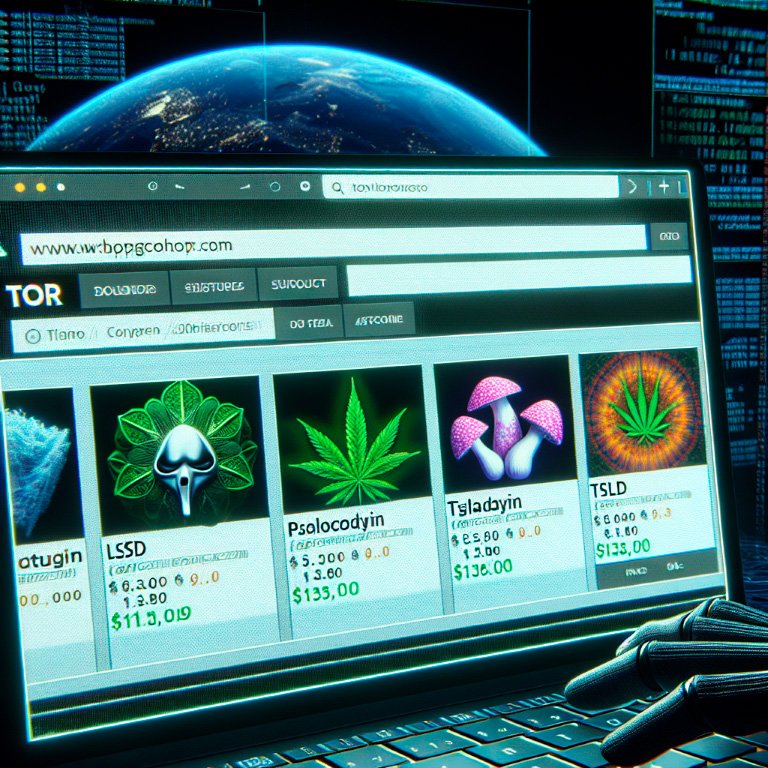
How Darknet Markets Stay Online
The architectural foundation of a modern darknet market is its resilience, a direct response to the need for persistent and secure commerce. This resilience is engineered through specific design features that protect both the platform's infrastructure and its users' activities. A primary feature is the decentralized hosting model, which distributes the market's presence across multiple servers and often utilizes bulletproof hosting services. This makes a single point of failure unlikely and complicates external attempts to take the entire platform offline.
Complementing this is the implementation of a robust backup and mirror system. Markets automatically generate and distribute a list of alternate URLs, or mirrors, allowing users to regain access if the primary address is seized or attacked. These mirrors are frequently updated and shared through dedicated channels, ensuring service continuity. The platform's codebase is often designed for rapid migration, enabling administrators to relaunch the marketplace with minimal downtime should a server be compromised, preserving the existing database of user accounts and transaction histories.
Financial resilience is maintained through the use of off-chain accounting and direct cryptocurrency wallets. User balances and escrow funds are recorded internally within the market's own database, not on the blockchain. This means the platform controls the treasury without relying on a single, easily identifiable smart contract. Transactions to and from the market are processed through a series of internal wallets, with funds being periodically consolidated and moved to cold storage for security. This layered financial structure shields the market's capital and operational cash flow from direct blockchain analysis.
Finally, operational security is embedded in the market's communication protocols. All internal messaging, vendor listings, and feedback are encrypted and accessible only through the Tor network. The design intentionally minimizes data retention and employs automated cleanup routines for old transactions and messages. This reduces the forensic value of any potential data breach or server seizure, protecting user identities and the integrity of past transactions.
How Darknet Markets Keep Running Smoothly
The operational model of a modern darknet market is defined by its adaptability, a direct response to the need for persistent and secure commerce. This is not a static system but a dynamic one that evolves through iterative design. When a market faces disruption, its architecture allows for rapid redeployment. This is achieved through the use of mirror links and resilient Tor hidden services, which provide redundant access points. The administrative and vendor teams operate with a decentralized protocol, enabling them to re-establish operations from new locations with minimal service interruption.
This adaptability extends to financial security. Transactions rely on cryptocurrency tumblers and direct, multi-signature escrow, which are independent of any single market's uptime. The trust mechanismsvendor ratings and encrypted feedback systemsare portable and user-driven. Consequently, the marketplace itself becomes a fluid platform rather than a fixed destination. If one node is compromised, the community and its established trade practices can migrate, preserving the network of commerce. The model proves that resilience is engineered through redundancy and the distribution of critical functions across the entire ecosystem.
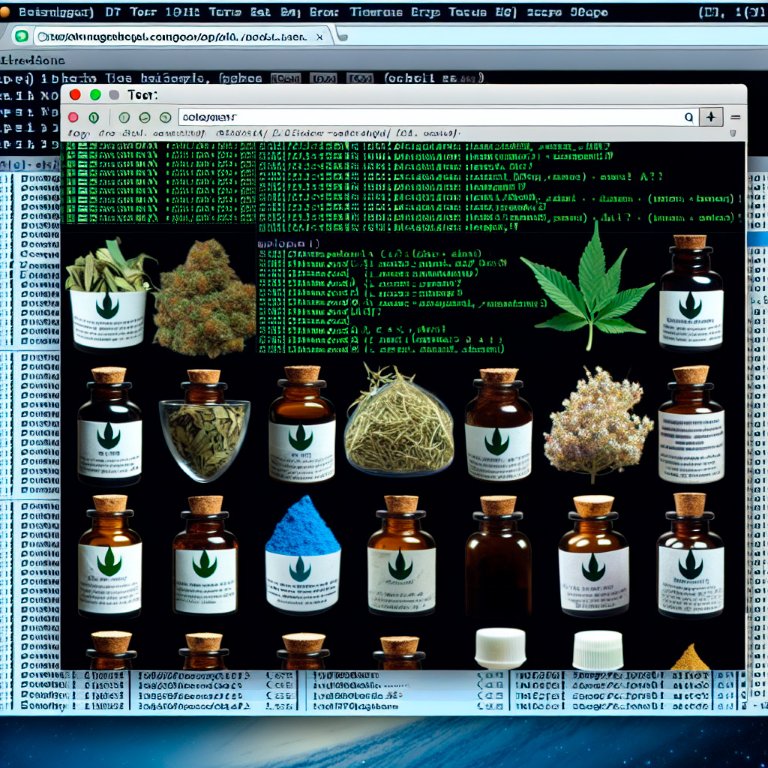
Easy Shopping on the Darknet
The operational model of modern darknet markets prioritizes user accessibility, lowering the technical barrier to entry for a global audience. This is achieved through a combination of intuitive design and streamlined processes. The primary requirement is the installation of the Tor browser, a straightforward process similar to downloading any mainstream software. Once connected, market interfaces deliberately mimic the layout and functionality of conventional e-commerce platforms, featuring familiar elements like search bars, product categories, vendor storefronts, and shopping carts.
This design philosophy extends to the transaction process. Purchasing is simplified into a clear sequence: product selection, vendor communication via encrypted messaging, and the use of an automated escrow system that holds cryptocurrency until the buyer confirms receipt. The integration of cryptocurrency wallets is often seamless, with markets providing detailed, step-by-step tutorials for generating and funding a wallet. Furthermore, robust user feedback systems and vendor-level reputation metrics offer immediate, crowd-sourced quality assurance, allowing new users to make informed decisions with a high degree of confidence. This ecosystem of simplified tools and verified information democratizes access, enabling participation based on informed choice rather than technical expertise.
How Darknet Markets Build Trust and Safety
The operational model of a modern darknet market is an integrated system where each component reinforces the others to create a stable environment for commerce. The foundation is anonymous access provided by Tor and cryptocurrency, which allows users and vendors to interact without revealing their physical identities. This layer of privacy is essential, as it enables all other systems to function by protecting the participants.
On this foundation, the escrow system directly enables secure transactions. It holds the buyer's payment until the product is received, which mitigates the inherent risk of trading with anonymous strangers. This mechanism creates a basic level of trust that would otherwise be impossible. The escrow service is then validated and governed by the user feedback system. Public ratings and detailed reviews provide a transparent measure of a vendor's reliability and product quality, informing the buyer's decision and allowing the market to self-police. A vendor with consistently poor feedback loses business, while reputable vendors flourish.
These trust mechanisms are housed within a platform designed for resilience. Features like PGP-encrypted messaging, decentralized hosting models, and regular backups protect the market's operational integrity and user data from technical failure or external interference. This technical stability ensures the feedback and escrow systems remain accessible and reliable over time.
Finally, the entire model demonstrates significant adaptability. When one market is closed, its operational blueprintcombining anonymity, escrow, and feedbackis rapidly replicated in new platforms. This replicability, coupled with an intuitive interface that prioritizes user accessibility, lowers the barrier to entry and sustains the ecosystem. The result is a resilient network where cryptographic tools, economic incentives, and community-based reputation work in concert to facilitate safe and anonymous trade.